La versione breve
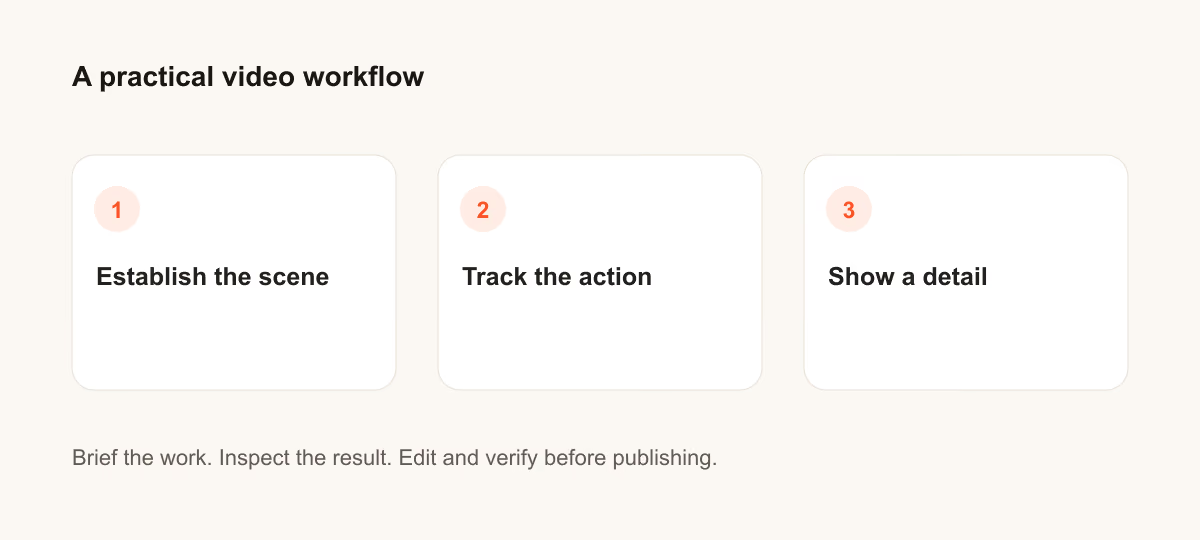
- Le clip YouTube devono servire al montaggio: apertura, dimostrazione, inserto o chiusura. Usa questi prompt come brief di ripresa e verifica separatamente le informazioni fattuali.
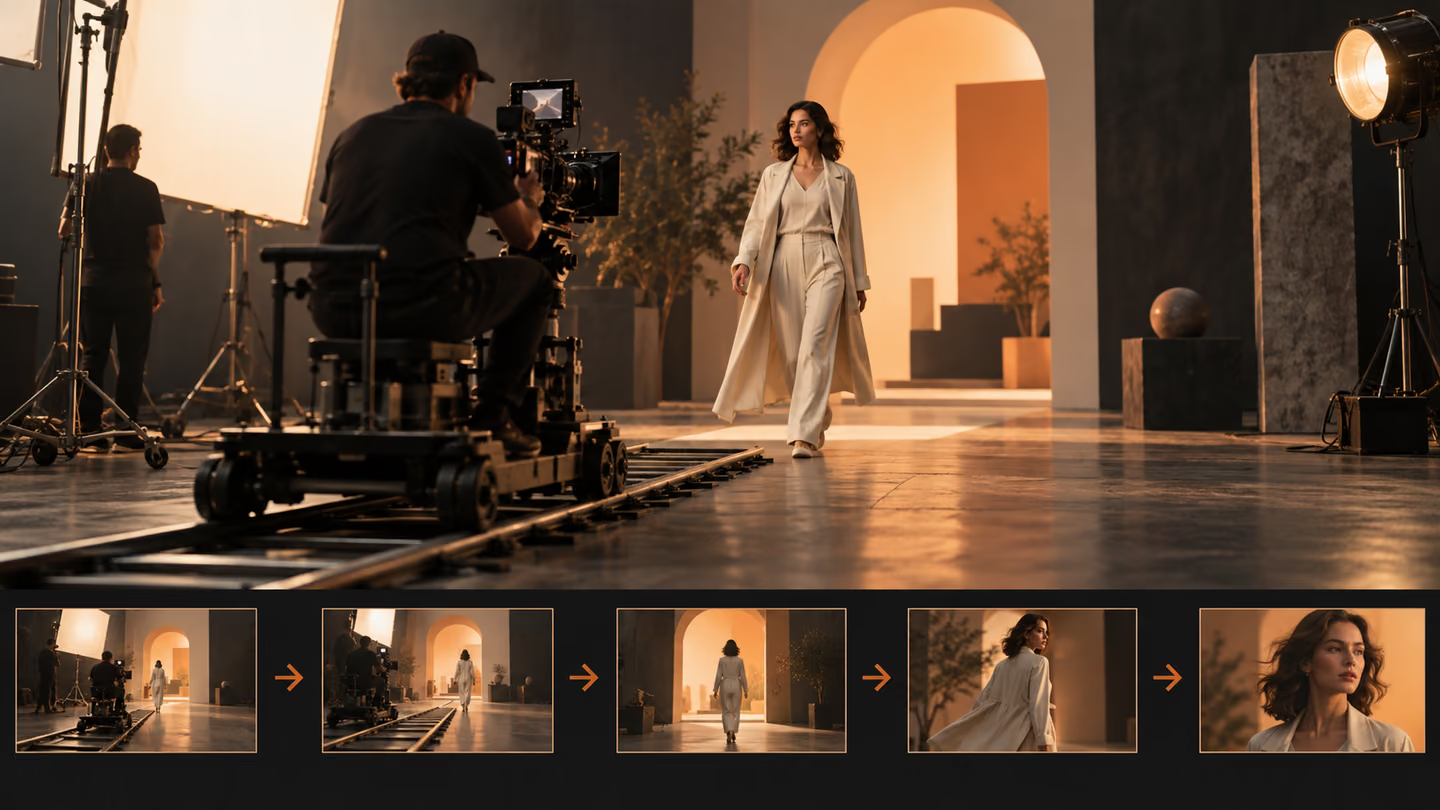
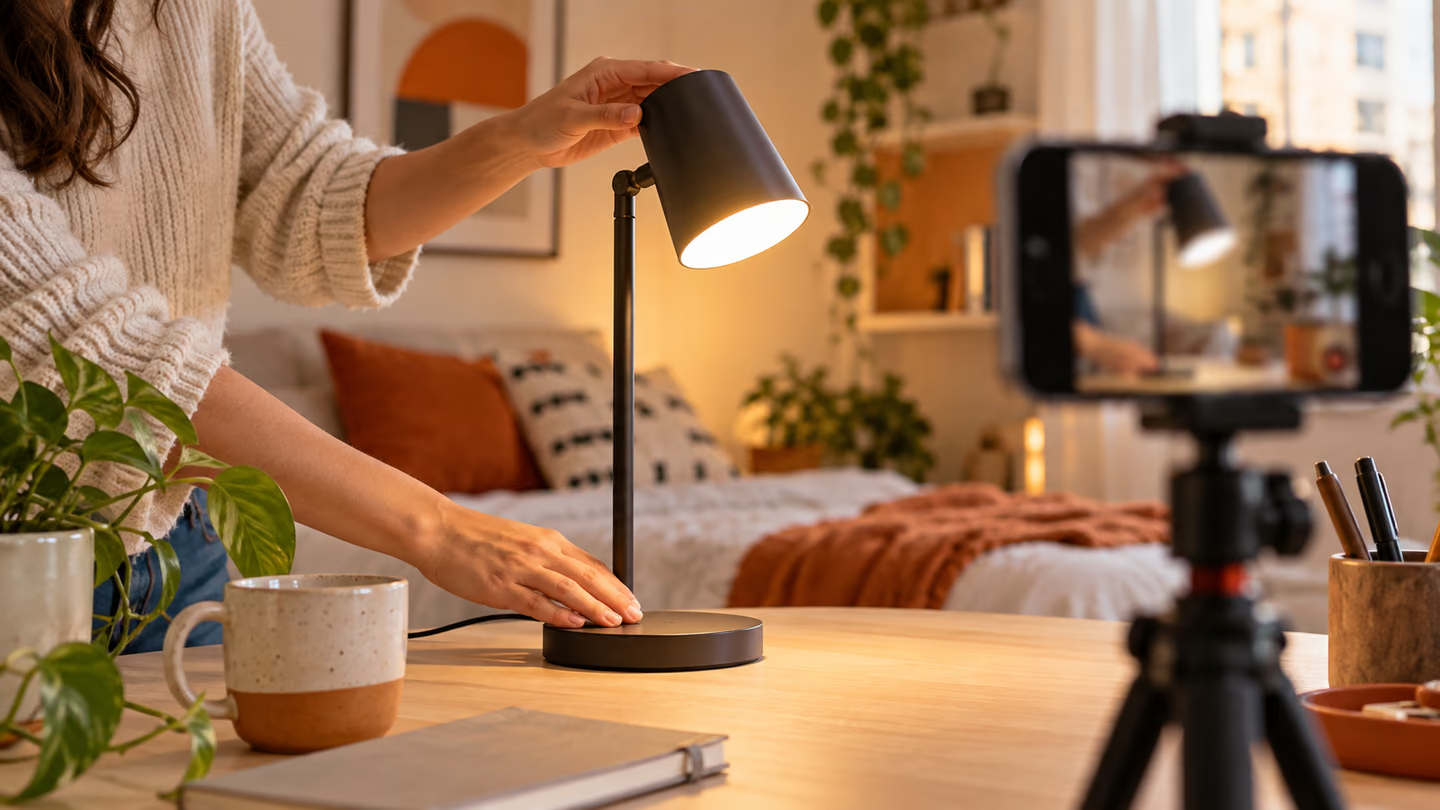
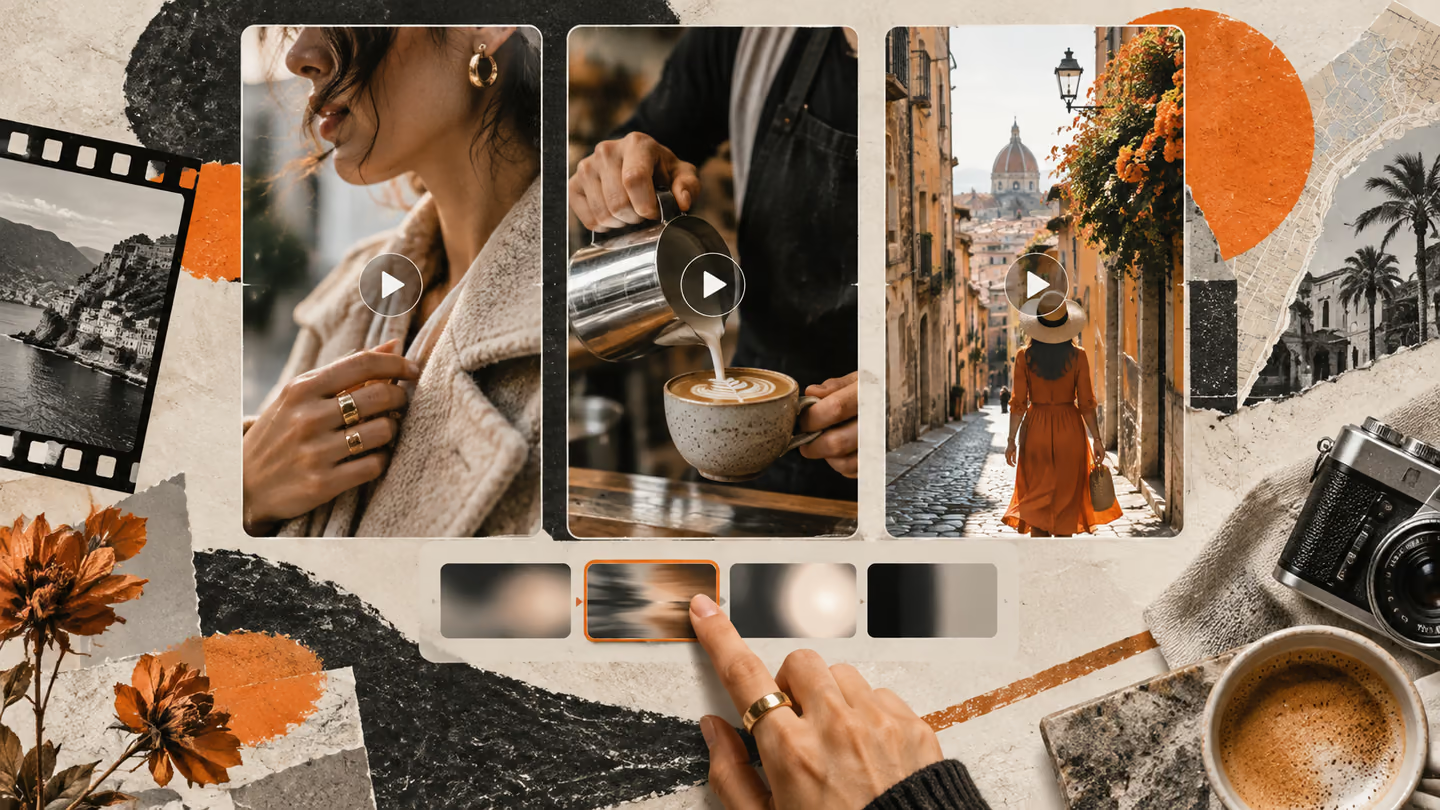
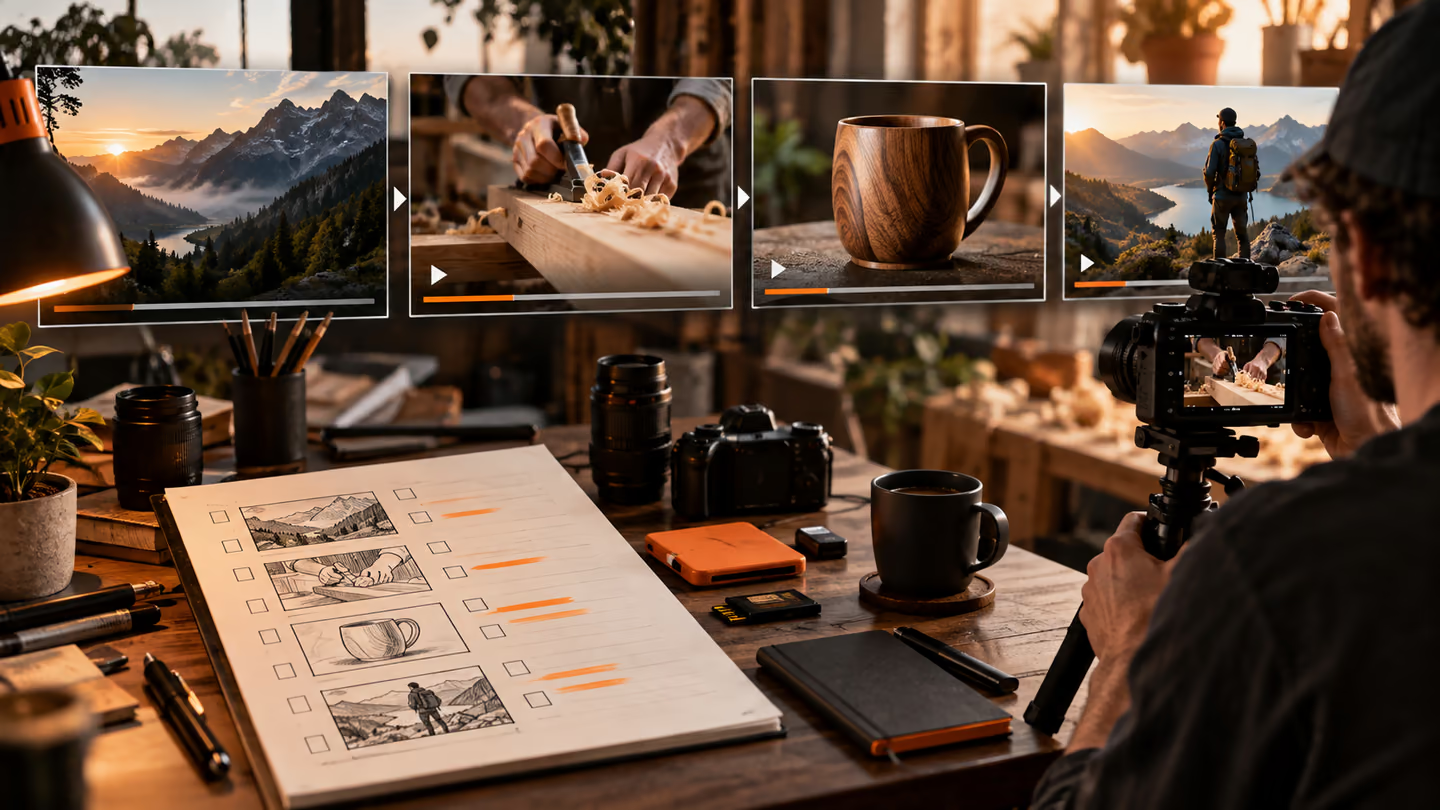
- Questi sono brief di ripresa, non file video. Il supporto per formato, durata, fotogrammi di riferimento e audio cambia secondo il modello: imposta questi parametri nello strumento che usi. Un'immagine generata nella guida illustra un fotogramma e non dimostra che un modello video abbia realizzato il movimento.
Le clip YouTube devono servire al montaggio: apertura, dimostrazione, inserto o chiusura. Usa questi prompt come brief di ripresa e verifica separatamente le informazioni fattuali.
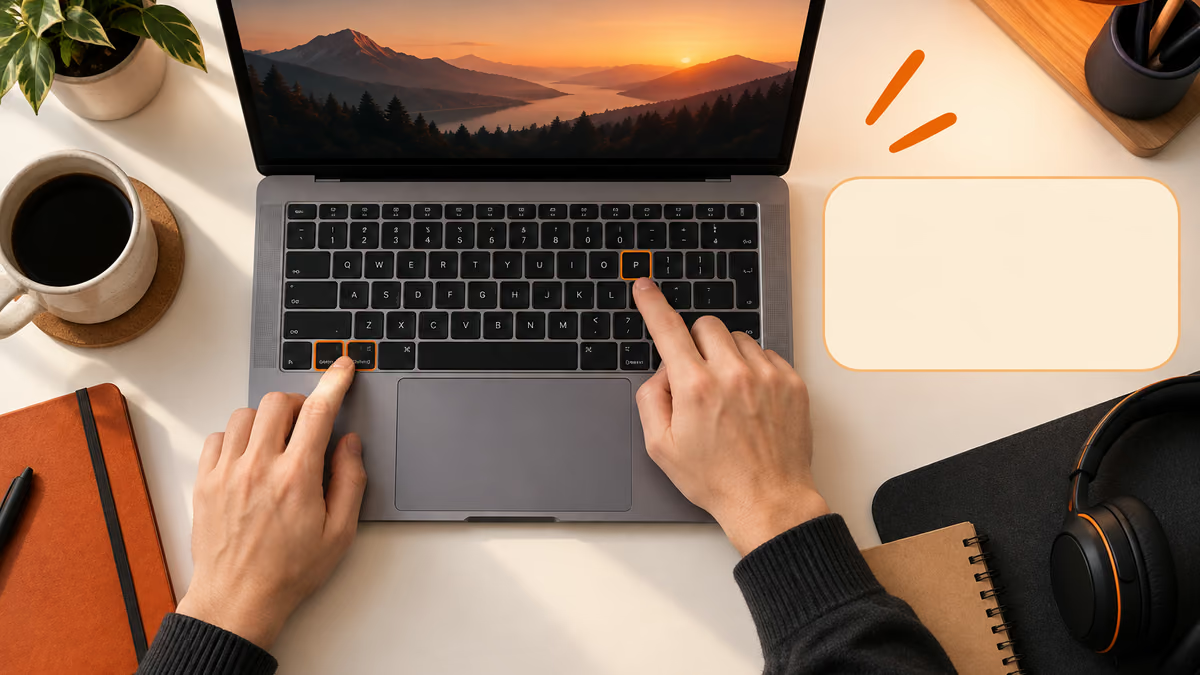
Questi sono brief di ripresa, non file video. Il supporto per formato, durata, fotogrammi di riferimento e audio cambia secondo il modello: imposta questi parametri nello strumento che usi. Un'immagine generata nella guida illustra un fotogramma e non dimostra che un modello video abbia realizzato il movimento.
Come usare questa raccolta
Scegli l'attività più vicina al tuo lavoro. Copia il prompt, sostituisci la scena generica o il contesto del codice con i tuoi dati e mantieni i vincoli utili a valutare il risultato. Modifica una variabile alla volta per capire cosa migliora.
Il metodo segue la guida ai prompt di Google Veo: fornisci un contesto preciso e controlla il risultato, senza dare per corretta una prima bozza ben presentata.
Prompt per presentare la scena
Usa i prompt di presentazione della scena per definire lo scopo visivo dell'inquadratura. Mantieni una sola azione in ogni clip.
1. L'apertura di un tutorial al banco di lavoro
Create a 16:9 widescreen shot of a tutorial opening at a workbench. Use a wide opening frame, one clear subject, a visible setting and stable horizon. Show one continuous action, not a montage. Keep the subject, geometry and light consistent. End on a composition an editor can hold or cut from. No added text, logos or abrupt morphs.Verifica: Verifica che nel primo secondo si riconoscano luogo e soggetto.
2. Un primo piano di una scorciatoia da tastiera
Create a 16:9 widescreen shot of a close-up of a keyboard shortcut. Use a wide opening frame, one clear subject, a visible setting and stable horizon. Show one continuous action, not a montage. Keep the subject, geometry and light consistent. End on a composition an editor can hold or cut from. No added text, logos or abrupt morphs.Verifica: Verifica che nel primo secondo si riconoscano luogo e soggetto.
3. Una postazione di lavoro prima e dopo
Create a 16:9 widescreen shot of a before-and-after workspace. Use a wide opening frame, one clear subject, a visible setting and stable horizon. Show one continuous action, not a montage. Keep the subject, geometry and light consistent. End on a composition an editor can hold or cut from. No added text, logos or abrupt morphs.Verifica: Verifica che nel primo secondo si riconoscano luogo e soggetto.
4. La presentazione di un ingrediente
Create a 16:9 widescreen shot of a cooking ingredient reveal. Use a wide opening frame, one clear subject, a visible setting and stable horizon. Show one continuous action, not a montage. Keep the subject, geometry and light consistent. End on a composition an editor can hold or cut from. No added text, logos or abrupt morphs.Verifica: Verifica che nel primo secondo si riconoscano luogo e soggetto.
5. Un'inquadratura iniziale di una destinazione
Create a 16:9 widescreen shot of a travel location establishing shot. Use a wide opening frame, one clear subject, a visible setting and stable horizon. Show one continuous action, not a montage. Keep the subject, geometry and light consistent. End on a composition an editor can hold or cut from. No added text, logos or abrupt morphs.Verifica: Verifica che nel primo secondo si riconoscano luogo e soggetto.
6. Un time-lapse di una lavorazione artigianale
Create a 16:9 widescreen shot of a craft process time lapse. Use a wide opening frame, one clear subject, a visible setting and stable horizon. Show one continuous action, not a montage. Keep the subject, geometry and light consistent. End on a composition an editor can hold or cut from. No added text, logos or abrupt morphs.Verifica: Verifica che nel primo secondo si riconoscano luogo e soggetto.
7. Un presentatore che indica uno spazio vuoto
Create a 16:9 widescreen shot of a presenter gesturing to empty space. Use a wide opening frame, one clear subject, a visible setting and stable horizon. Show one continuous action, not a montage. Keep the subject, geometry and light consistent. End on a composition an editor can hold or cut from. No added text, logos or abrupt morphs.Verifica: Verifica che nel primo secondo si riconoscano luogo e soggetto.
8. Un inserto su un dettaglio del prodotto
Create a 16:9 widescreen shot of a product detail cutaway. Use a wide opening frame, one clear subject, a visible setting and stable horizon. Show one continuous action, not a montage. Keep the subject, geometry and light consistent. End on a composition an editor can hold or cut from. No added text, logos or abrupt morphs.Verifica: Verifica che nel primo secondo si riconoscano luogo e soggetto.
9. Una visita alla postazione di lavoro
Create a 16:9 widescreen shot of a desk setup tour. Use a wide opening frame, one clear subject, a visible setting and stable horizon. Show one continuous action, not a montage. Keep the subject, geometry and light consistent. End on a composition an editor can hold or cut from. No added text, logos or abrupt morphs.Verifica: Verifica che nel primo secondo si riconoscano luogo e soggetto.
10. Un'inquadratura finale del progetto completato
Create a 16:9 widescreen shot of an ending shot with a completed project. Use a wide opening frame, one clear subject, a visible setting and stable horizon. Show one continuous action, not a montage. Keep the subject, geometry and light consistent. End on a composition an editor can hold or cut from. No added text, logos or abrupt morphs.Verifica: Verifica che nel primo secondo si riconoscano luogo e soggetto.
Prompt per seguire l'azione
Usa i prompt che seguono l'azione per definire lo scopo visivo dell'inquadratura. Mantieni una sola azione in ogni clip.
11. L'apertura di un tutorial al banco di lavoro
Create a 16:9 widescreen shot of a tutorial opening at a workbench. Use a single motivated camera move that follows the subject without sudden direction changes. Show one continuous action, not a montage. Keep the subject, geometry and light consistent. End on a composition an editor can hold or cut from. No added text, logos or abrupt morphs.Verifica: Controlla la continuità del soggetto e la direzione del movimento.
12. Un primo piano di una scorciatoia da tastiera
Create a 16:9 widescreen shot of a close-up of a keyboard shortcut. Use a single motivated camera move that follows the subject without sudden direction changes. Show one continuous action, not a montage. Keep the subject, geometry and light consistent. End on a composition an editor can hold or cut from. No added text, logos or abrupt morphs.Verifica: Controlla la continuità del soggetto e la direzione del movimento.
13. Una postazione di lavoro prima e dopo
Create a 16:9 widescreen shot of a before-and-after workspace. Use a single motivated camera move that follows the subject without sudden direction changes. Show one continuous action, not a montage. Keep the subject, geometry and light consistent. End on a composition an editor can hold or cut from. No added text, logos or abrupt morphs.Verifica: Controlla la continuità del soggetto e la direzione del movimento.
14. La presentazione di un ingrediente
Create a 16:9 widescreen shot of a cooking ingredient reveal. Use a single motivated camera move that follows the subject without sudden direction changes. Show one continuous action, not a montage. Keep the subject, geometry and light consistent. End on a composition an editor can hold or cut from. No added text, logos or abrupt morphs.Verifica: Controlla la continuità del soggetto e la direzione del movimento.
15. Un'inquadratura iniziale di una destinazione
Create a 16:9 widescreen shot of a travel location establishing shot. Use a single motivated camera move that follows the subject without sudden direction changes. Show one continuous action, not a montage. Keep the subject, geometry and light consistent. End on a composition an editor can hold or cut from. No added text, logos or abrupt morphs.Verifica: Controlla la continuità del soggetto e la direzione del movimento.
16. Un time-lapse di una lavorazione artigianale
Create a 16:9 widescreen shot of a craft process time lapse. Use a single motivated camera move that follows the subject without sudden direction changes. Show one continuous action, not a montage. Keep the subject, geometry and light consistent. End on a composition an editor can hold or cut from. No added text, logos or abrupt morphs.Verifica: Controlla la continuità del soggetto e la direzione del movimento.
17. Un presentatore che indica uno spazio vuoto
Create a 16:9 widescreen shot of a presenter gesturing to empty space. Use a single motivated camera move that follows the subject without sudden direction changes. Show one continuous action, not a montage. Keep the subject, geometry and light consistent. End on a composition an editor can hold or cut from. No added text, logos or abrupt morphs.Verifica: Controlla la continuità del soggetto e la direzione del movimento.
18. Un inserto su un dettaglio del prodotto
Create a 16:9 widescreen shot of a product detail cutaway. Use a single motivated camera move that follows the subject without sudden direction changes. Show one continuous action, not a montage. Keep the subject, geometry and light consistent. End on a composition an editor can hold or cut from. No added text, logos or abrupt morphs.Verifica: Controlla la continuità del soggetto e la direzione del movimento.
19. Una visita alla postazione di lavoro
Create a 16:9 widescreen shot of a desk setup tour. Use a single motivated camera move that follows the subject without sudden direction changes. Show one continuous action, not a montage. Keep the subject, geometry and light consistent. End on a composition an editor can hold or cut from. No added text, logos or abrupt morphs.Verifica: Controlla la continuità del soggetto e la direzione del movimento.
20. Un'inquadratura finale del progetto completato
Create a 16:9 widescreen shot of an ending shot with a completed project. Use a single motivated camera move that follows the subject without sudden direction changes. Show one continuous action, not a montage. Keep the subject, geometry and light consistent. End on a composition an editor can hold or cut from. No added text, logos or abrupt morphs.Verifica: Controlla la continuità del soggetto e la direzione del movimento.
Prompt per mostrare un dettaglio
Usa i prompt di dettaglio per definire lo scopo visivo dell'inquadratura. Mantieni una sola azione in ogni clip.
21. L'apertura di un tutorial al banco di lavoro
Create a 16:9 widescreen shot of a tutorial opening at a workbench. Use a close view of a meaningful action, tactile material and plausible hand or object movement. Show one continuous action, not a montage. Keep the subject, geometry and light consistent. End on a composition an editor can hold or cut from. No added text, logos or abrupt morphs.Verifica: Controlla mani, punti di contatto, inizio e fine dell'azione.
22. Un primo piano di una scorciatoia da tastiera
Create a 16:9 widescreen shot of a close-up of a keyboard shortcut. Use a close view of a meaningful action, tactile material and plausible hand or object movement. Show one continuous action, not a montage. Keep the subject, geometry and light consistent. End on a composition an editor can hold or cut from. No added text, logos or abrupt morphs.Verifica: Controlla mani, punti di contatto, inizio e fine dell'azione.
23. Una postazione di lavoro prima e dopo
Create a 16:9 widescreen shot of a before-and-after workspace. Use a close view of a meaningful action, tactile material and plausible hand or object movement. Show one continuous action, not a montage. Keep the subject, geometry and light consistent. End on a composition an editor can hold or cut from. No added text, logos or abrupt morphs.Verifica: Controlla mani, punti di contatto, inizio e fine dell'azione.
24. La presentazione di un ingrediente
Create a 16:9 widescreen shot of a cooking ingredient reveal. Use a close view of a meaningful action, tactile material and plausible hand or object movement. Show one continuous action, not a montage. Keep the subject, geometry and light consistent. End on a composition an editor can hold or cut from. No added text, logos or abrupt morphs.Verifica: Controlla mani, punti di contatto, inizio e fine dell'azione.
25. Un'inquadratura iniziale di una destinazione
Create a 16:9 widescreen shot of a travel location establishing shot. Use a close view of a meaningful action, tactile material and plausible hand or object movement. Show one continuous action, not a montage. Keep the subject, geometry and light consistent. End on a composition an editor can hold or cut from. No added text, logos or abrupt morphs.Verifica: Controlla mani, punti di contatto, inizio e fine dell'azione.
26. Un time-lapse di una lavorazione artigianale
Create a 16:9 widescreen shot of a craft process time lapse. Use a close view of a meaningful action, tactile material and plausible hand or object movement. Show one continuous action, not a montage. Keep the subject, geometry and light consistent. End on a composition an editor can hold or cut from. No added text, logos or abrupt morphs.Verifica: Controlla mani, punti di contatto, inizio e fine dell'azione.
27. Un presentatore che indica uno spazio vuoto
Create a 16:9 widescreen shot of a presenter gesturing to empty space. Use a close view of a meaningful action, tactile material and plausible hand or object movement. Show one continuous action, not a montage. Keep the subject, geometry and light consistent. End on a composition an editor can hold or cut from. No added text, logos or abrupt morphs.Verifica: Controlla mani, punti di contatto, inizio e fine dell'azione.
28. Un inserto su un dettaglio del prodotto
Create a 16:9 widescreen shot of a product detail cutaway. Use a close view of a meaningful action, tactile material and plausible hand or object movement. Show one continuous action, not a montage. Keep the subject, geometry and light consistent. End on a composition an editor can hold or cut from. No added text, logos or abrupt morphs.Verifica: Controlla mani, punti di contatto, inizio e fine dell'azione.
29. Una visita alla postazione di lavoro
Create a 16:9 widescreen shot of a desk setup tour. Use a close view of a meaningful action, tactile material and plausible hand or object movement. Show one continuous action, not a montage. Keep the subject, geometry and light consistent. End on a composition an editor can hold or cut from. No added text, logos or abrupt morphs.Verifica: Controlla mani, punti di contatto, inizio e fine dell'azione.
30. Un'inquadratura finale del progetto completato
Create a 16:9 widescreen shot of an ending shot with a completed project. Use a close view of a meaningful action, tactile material and plausible hand or object movement. Show one continuous action, not a montage. Keep the subject, geometry and light consistent. End on a composition an editor can hold or cut from. No added text, logos or abrupt morphs.Verifica: Controlla mani, punti di contatto, inizio e fine dell'azione.
Cosa verificare prima di usare il risultato
Questi sono brief di ripresa, non file video. Il supporto per formato, durata, fotogrammi di riferimento e audio cambia secondo il modello: imposta questi parametri nello strumento che usi. Un'immagine generata nella guida illustra un fotogramma e non dimostra che un modello video abbia realizzato il movimento.
Se il risultato non risponde al compito, accorcia il prompt e precisa il fatto o il vincolo mancante. Conserva la versione usata per poter riprodurre il contenuto finale o la modifica al codice.
Approfondimenti
Continua con una guida correlata
Mettilo in pratica
Il prossimo passo
Hai una domanda o una correzione?
Contatta Thrive