La versione breve
- Un effetto cinematografico richiede più del gergo sugli obiettivi. Definisci il punto di vista, il motivo del movimento e ciò che cambia durante l'inquadratura.
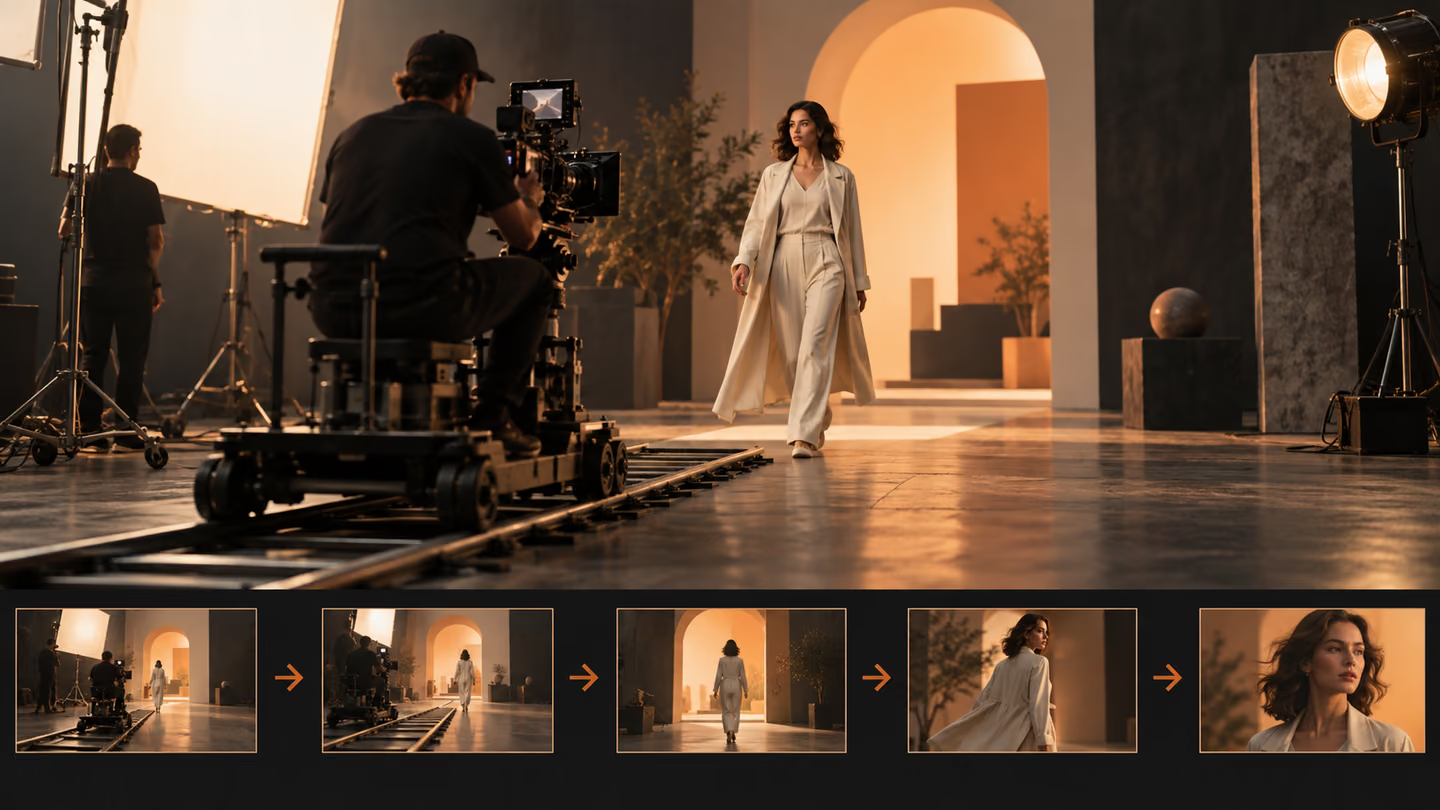
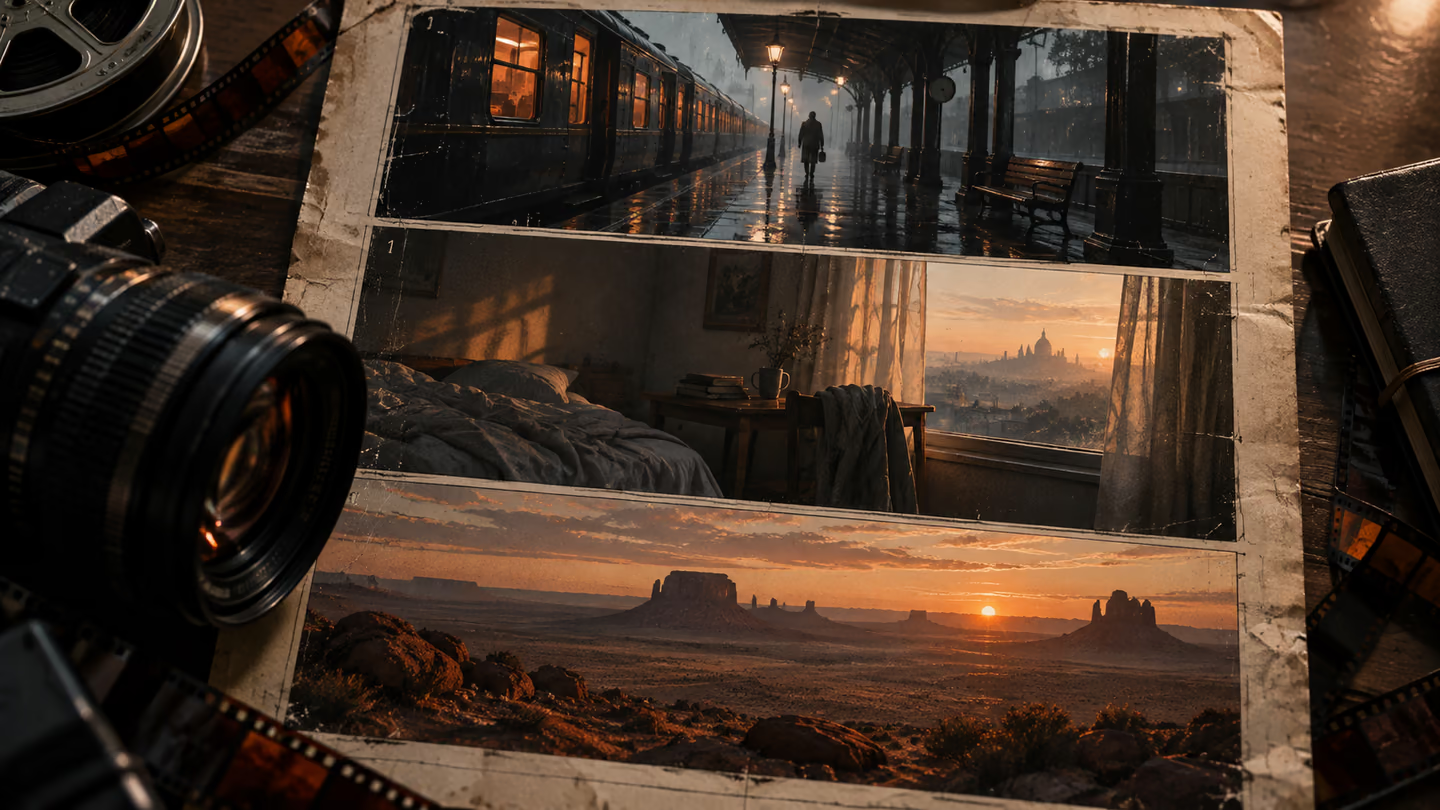
- Questi sono brief di ripresa, non file video. Il supporto per formato, durata, fotogrammi di riferimento e audio cambia secondo il modello: imposta questi parametri nello strumento che usi. Un'immagine generata nella guida illustra un fotogramma e non dimostra che un modello video abbia realizzato il movimento.
Un effetto cinematografico richiede più del gergo sugli obiettivi. Definisci il punto di vista, il motivo del movimento e ciò che cambia durante l'inquadratura.
Questi sono brief di ripresa, non file video. Il supporto per formato, durata, fotogrammi di riferimento e audio cambia secondo il modello: imposta questi parametri nello strumento che usi. Un'immagine generata nella guida illustra un fotogramma e non dimostra che un modello video abbia realizzato il movimento.
Come usare questa raccolta
Scegli l'attività più vicina al tuo lavoro. Copia il prompt, sostituisci la scena generica o il contesto del codice con i tuoi dati e mantieni i vincoli utili a valutare il risultato. Modifica una variabile alla volta per capire cosa migliora.
Il metodo segue la guida ai prompt di Google Veo: fornisci un contesto preciso e controlla il risultato, senza dare per corretta una prima bozza ben presentata.
Prompt per presentare la scena
Usa i prompt di presentazione della scena per definire lo scopo visivo dell'inquadratura. Mantieni una sola azione in ogni clip.
1. Una figura solitaria su un ponte nella nebbia
Create a 16:9 widescreen shot of a lone figure crossing a foggy bridge. Use a wide opening frame, one clear subject, a visible setting and stable horizon. Show one continuous action, not a montage. Keep the subject, geometry and light consistent. End on a composition an editor can hold or cut from. No added text, logos or abrupt morphs.Verifica: Verifica che nel primo secondo si riconoscano luogo e soggetto.
2. Un treno in arrivo sotto la pioggia
Create a 16:9 widescreen shot of a train arriving in rain. Use a wide opening frame, one clear subject, a visible setting and stable horizon. Show one continuous action, not a montage. Keep the subject, geometry and light consistent. End on a composition an editor can hold or cut from. No added text, logos or abrupt morphs.Verifica: Verifica che nel primo secondo si riconoscano luogo e soggetto.
3. Un panettiere che apre all'alba
Create a 16:9 widescreen shot of a baker opening at sunrise. Use a wide opening frame, one clear subject, a visible setting and stable horizon. Show one continuous action, not a montage. Keep the subject, geometry and light consistent. End on a composition an editor can hold or cut from. No added text, logos or abrupt morphs.Verifica: Verifica che nel primo secondo si riconoscano luogo e soggetto.
4. Un tuffatore che entra in piscina
Create a 16:9 widescreen shot of a diver entering a pool. Use a wide opening frame, one clear subject, a visible setting and stable horizon. Show one continuous action, not a montage. Keep the subject, geometry and light consistent. End on a composition an editor can hold or cut from. No added text, logos or abrupt morphs.Verifica: Verifica che nel primo secondo si riconoscano luogo e soggetto.
5. Un'auto che svolta in una galleria
Create a 16:9 widescreen shot of a car turning into a tunnel. Use a wide opening frame, one clear subject, a visible setting and stable horizon. Show one continuous action, not a montage. Keep the subject, geometry and light consistent. End on a composition an editor can hold or cut from. No added text, logos or abrupt morphs.Verifica: Verifica che nel primo secondo si riconoscano luogo e soggetto.
6. Un bambino che insegue un aquilone
Create a 16:9 widescreen shot of a child chasing a kite. Use a wide opening frame, one clear subject, a visible setting and stable horizon. Show one continuous action, not a montage. Keep the subject, geometry and light consistent. End on a composition an editor can hold or cut from. No added text, logos or abrupt morphs.Verifica: Verifica che nel primo secondo si riconoscano luogo e soggetto.
7. Un violinista prima dell'esibizione
Create a 16:9 widescreen shot of a violinist before a performance. Use a wide opening frame, one clear subject, a visible setting and stable horizon. Show one continuous action, not a montage. Keep the subject, geometry and light consistent. End on a composition an editor can hold or cut from. No added text, logos or abrupt morphs.Verifica: Verifica che nel primo secondo si riconoscano luogo e soggetto.
8. Un traghetto che lascia il molo
Create a 16:9 widescreen shot of a ferry leaving the dock. Use a wide opening frame, one clear subject, a visible setting and stable horizon. Show one continuous action, not a montage. Keep the subject, geometry and light consistent. End on a composition an editor can hold or cut from. No added text, logos or abrupt morphs.Verifica: Verifica che nel primo secondo si riconoscano luogo e soggetto.
9. Un corridore su una pista tranquilla
Create a 16:9 widescreen shot of a runner on a quiet track. Use a wide opening frame, one clear subject, a visible setting and stable horizon. Show one continuous action, not a montage. Keep the subject, geometry and light consistent. End on a composition an editor can hold or cut from. No added text, logos or abrupt morphs.Verifica: Verifica che nel primo secondo si riconoscano luogo e soggetto.
10. Un temporale sopra una casa di campagna
Create a 16:9 widescreen shot of a storm passing a farmhouse. Use a wide opening frame, one clear subject, a visible setting and stable horizon. Show one continuous action, not a montage. Keep the subject, geometry and light consistent. End on a composition an editor can hold or cut from. No added text, logos or abrupt morphs.Verifica: Verifica che nel primo secondo si riconoscano luogo e soggetto.

Prompt per seguire l'azione
Usa i prompt che seguono l'azione per definire lo scopo visivo dell'inquadratura. Mantieni una sola azione in ogni clip.
11. Una figura solitaria su un ponte nella nebbia
Create a 16:9 widescreen shot of a lone figure crossing a foggy bridge. Use a single motivated camera move that follows the subject without sudden direction changes. Show one continuous action, not a montage. Keep the subject, geometry and light consistent. End on a composition an editor can hold or cut from. No added text, logos or abrupt morphs.Verifica: Controlla la continuità del soggetto e la direzione del movimento.
12. Un treno in arrivo sotto la pioggia
Create a 16:9 widescreen shot of a train arriving in rain. Use a single motivated camera move that follows the subject without sudden direction changes. Show one continuous action, not a montage. Keep the subject, geometry and light consistent. End on a composition an editor can hold or cut from. No added text, logos or abrupt morphs.Verifica: Controlla la continuità del soggetto e la direzione del movimento.
13. Un panettiere che apre all'alba
Create a 16:9 widescreen shot of a baker opening at sunrise. Use a single motivated camera move that follows the subject without sudden direction changes. Show one continuous action, not a montage. Keep the subject, geometry and light consistent. End on a composition an editor can hold or cut from. No added text, logos or abrupt morphs.Verifica: Controlla la continuità del soggetto e la direzione del movimento.
14. Un tuffatore che entra in piscina
Create a 16:9 widescreen shot of a diver entering a pool. Use a single motivated camera move that follows the subject without sudden direction changes. Show one continuous action, not a montage. Keep the subject, geometry and light consistent. End on a composition an editor can hold or cut from. No added text, logos or abrupt morphs.Verifica: Controlla la continuità del soggetto e la direzione del movimento.
15. Un'auto che svolta in una galleria
Create a 16:9 widescreen shot of a car turning into a tunnel. Use a single motivated camera move that follows the subject without sudden direction changes. Show one continuous action, not a montage. Keep the subject, geometry and light consistent. End on a composition an editor can hold or cut from. No added text, logos or abrupt morphs.Verifica: Controlla la continuità del soggetto e la direzione del movimento.
16. Un bambino che insegue un aquilone
Create a 16:9 widescreen shot of a child chasing a kite. Use a single motivated camera move that follows the subject without sudden direction changes. Show one continuous action, not a montage. Keep the subject, geometry and light consistent. End on a composition an editor can hold or cut from. No added text, logos or abrupt morphs.Verifica: Controlla la continuità del soggetto e la direzione del movimento.
17. Un violinista prima dell'esibizione
Create a 16:9 widescreen shot of a violinist before a performance. Use a single motivated camera move that follows the subject without sudden direction changes. Show one continuous action, not a montage. Keep the subject, geometry and light consistent. End on a composition an editor can hold or cut from. No added text, logos or abrupt morphs.Verifica: Controlla la continuità del soggetto e la direzione del movimento.
18. Un traghetto che lascia il molo
Create a 16:9 widescreen shot of a ferry leaving the dock. Use a single motivated camera move that follows the subject without sudden direction changes. Show one continuous action, not a montage. Keep the subject, geometry and light consistent. End on a composition an editor can hold or cut from. No added text, logos or abrupt morphs.Verifica: Controlla la continuità del soggetto e la direzione del movimento.
19. Un corridore su una pista tranquilla
Create a 16:9 widescreen shot of a runner on a quiet track. Use a single motivated camera move that follows the subject without sudden direction changes. Show one continuous action, not a montage. Keep the subject, geometry and light consistent. End on a composition an editor can hold or cut from. No added text, logos or abrupt morphs.Verifica: Controlla la continuità del soggetto e la direzione del movimento.
20. Un temporale sopra una casa di campagna
Create a 16:9 widescreen shot of a storm passing a farmhouse. Use a single motivated camera move that follows the subject without sudden direction changes. Show one continuous action, not a montage. Keep the subject, geometry and light consistent. End on a composition an editor can hold or cut from. No added text, logos or abrupt morphs.Verifica: Controlla la continuità del soggetto e la direzione del movimento.

Prompt per mostrare un dettaglio
Usa i prompt di dettaglio per definire lo scopo visivo dell'inquadratura. Mantieni una sola azione in ogni clip.
21. Una figura solitaria su un ponte nella nebbia
Create a 16:9 widescreen shot of a lone figure crossing a foggy bridge. Use a close view of a meaningful action, tactile material and plausible hand or object movement. Show one continuous action, not a montage. Keep the subject, geometry and light consistent. End on a composition an editor can hold or cut from. No added text, logos or abrupt morphs.Verifica: Controlla mani, punti di contatto, inizio e fine dell'azione.
22. Un treno in arrivo sotto la pioggia
Create a 16:9 widescreen shot of a train arriving in rain. Use a close view of a meaningful action, tactile material and plausible hand or object movement. Show one continuous action, not a montage. Keep the subject, geometry and light consistent. End on a composition an editor can hold or cut from. No added text, logos or abrupt morphs.Verifica: Controlla mani, punti di contatto, inizio e fine dell'azione.
23. Un panettiere che apre all'alba
Create a 16:9 widescreen shot of a baker opening at sunrise. Use a close view of a meaningful action, tactile material and plausible hand or object movement. Show one continuous action, not a montage. Keep the subject, geometry and light consistent. End on a composition an editor can hold or cut from. No added text, logos or abrupt morphs.Verifica: Controlla mani, punti di contatto, inizio e fine dell'azione.
24. Un tuffatore che entra in piscina
Create a 16:9 widescreen shot of a diver entering a pool. Use a close view of a meaningful action, tactile material and plausible hand or object movement. Show one continuous action, not a montage. Keep the subject, geometry and light consistent. End on a composition an editor can hold or cut from. No added text, logos or abrupt morphs.Verifica: Controlla mani, punti di contatto, inizio e fine dell'azione.
25. Un'auto che svolta in una galleria
Create a 16:9 widescreen shot of a car turning into a tunnel. Use a close view of a meaningful action, tactile material and plausible hand or object movement. Show one continuous action, not a montage. Keep the subject, geometry and light consistent. End on a composition an editor can hold or cut from. No added text, logos or abrupt morphs.Verifica: Controlla mani, punti di contatto, inizio e fine dell'azione.
26. Un bambino che insegue un aquilone
Create a 16:9 widescreen shot of a child chasing a kite. Use a close view of a meaningful action, tactile material and plausible hand or object movement. Show one continuous action, not a montage. Keep the subject, geometry and light consistent. End on a composition an editor can hold or cut from. No added text, logos or abrupt morphs.Verifica: Controlla mani, punti di contatto, inizio e fine dell'azione.
27. Un violinista prima dell'esibizione
Create a 16:9 widescreen shot of a violinist before a performance. Use a close view of a meaningful action, tactile material and plausible hand or object movement. Show one continuous action, not a montage. Keep the subject, geometry and light consistent. End on a composition an editor can hold or cut from. No added text, logos or abrupt morphs.Verifica: Controlla mani, punti di contatto, inizio e fine dell'azione.
28. Un traghetto che lascia il molo
Create a 16:9 widescreen shot of a ferry leaving the dock. Use a close view of a meaningful action, tactile material and plausible hand or object movement. Show one continuous action, not a montage. Keep the subject, geometry and light consistent. End on a composition an editor can hold or cut from. No added text, logos or abrupt morphs.Verifica: Controlla mani, punti di contatto, inizio e fine dell'azione.
29. Un corridore su una pista tranquilla
Create a 16:9 widescreen shot of a runner on a quiet track. Use a close view of a meaningful action, tactile material and plausible hand or object movement. Show one continuous action, not a montage. Keep the subject, geometry and light consistent. End on a composition an editor can hold or cut from. No added text, logos or abrupt morphs.Verifica: Controlla mani, punti di contatto, inizio e fine dell'azione.
30. Un temporale sopra una casa di campagna
Create a 16:9 widescreen shot of a storm passing a farmhouse. Use a close view of a meaningful action, tactile material and plausible hand or object movement. Show one continuous action, not a montage. Keep the subject, geometry and light consistent. End on a composition an editor can hold or cut from. No added text, logos or abrupt morphs.Verifica: Controlla mani, punti di contatto, inizio e fine dell'azione.
Cosa verificare prima di usare il risultato
Questi sono brief di ripresa, non file video. Il supporto per formato, durata, fotogrammi di riferimento e audio cambia secondo il modello: imposta questi parametri nello strumento che usi. Un'immagine generata nella guida illustra un fotogramma e non dimostra che un modello video abbia realizzato il movimento.
Se il risultato non risponde al compito, accorcia il prompt e precisa il fatto o il vincolo mancante. Conserva la versione usata per poter riprodurre il contenuto finale o la modifica al codice.
Approfondimenti
Continua con una guida correlata
Mettilo in pratica
Il prossimo passo
Leggi il prossimo
Guida correlata50 prompt per creare video con l'IAHai una domanda o una correzione?
Contatta Thrive