La versión breve
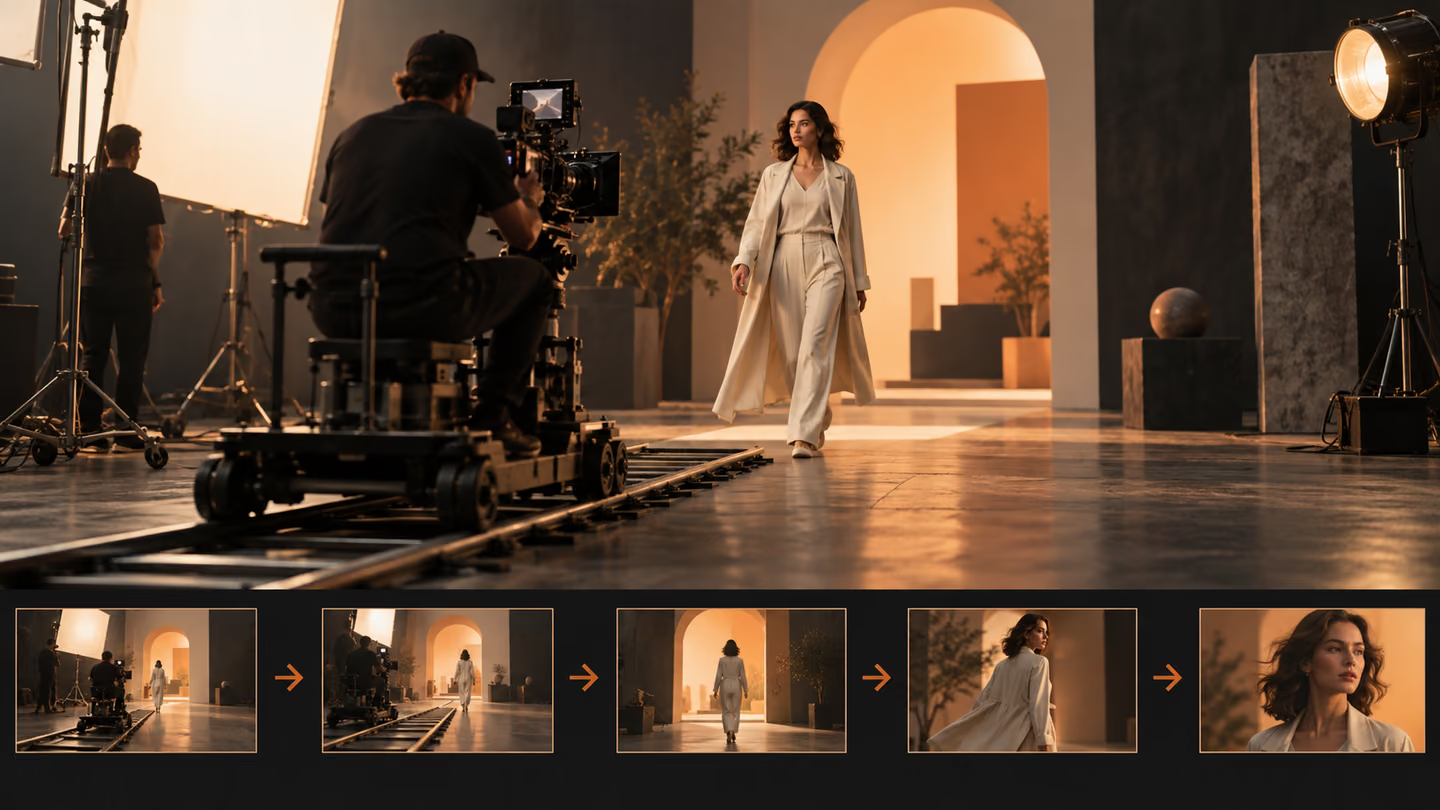
- Un estilo cinematográfico necesita algo más que términos sobre objetivos. Dale a la escena un punto de vista, un movimiento con sentido y un cambio dentro del plano.
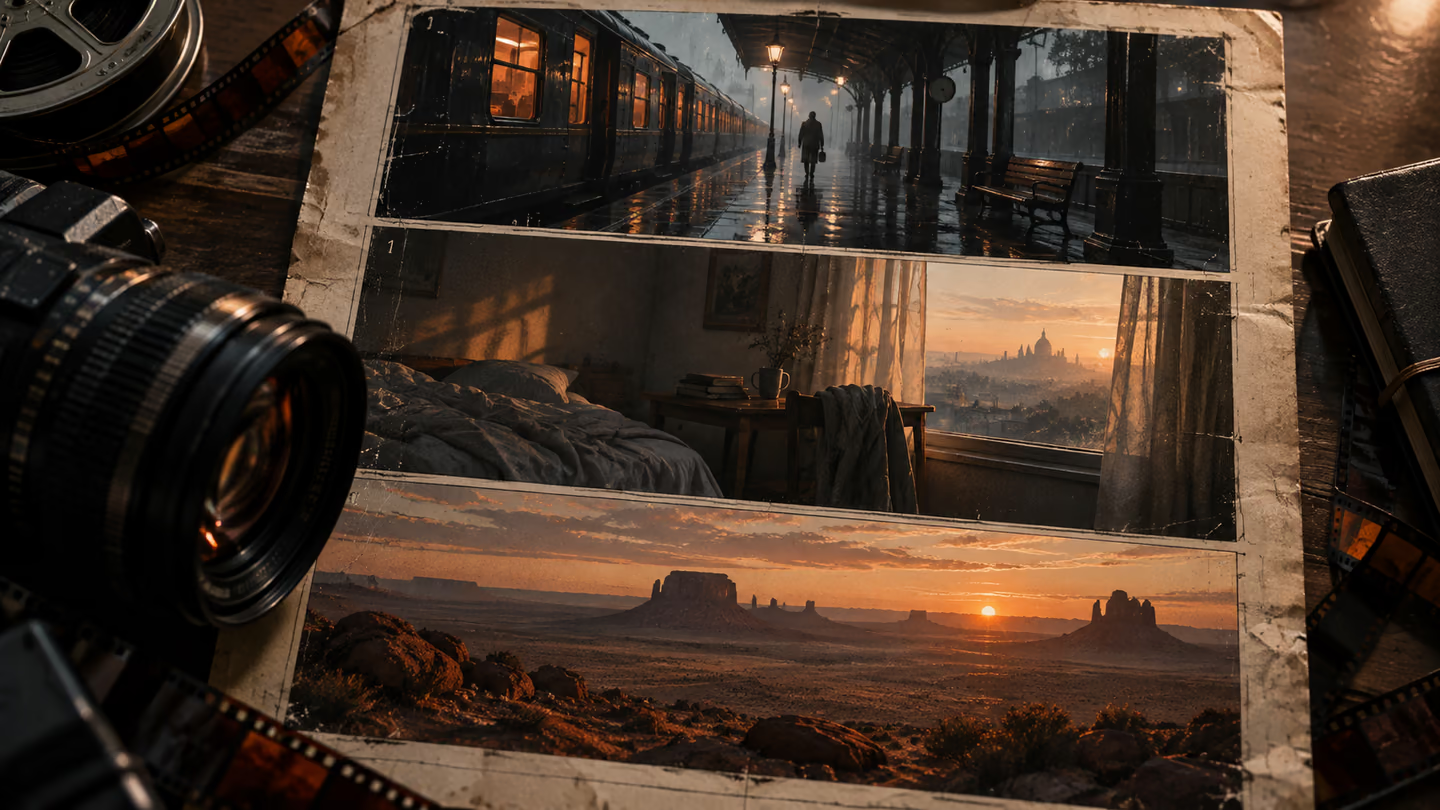
- Estas son indicaciones para planos, no archivos de vídeo. La compatibilidad con la relación de aspecto, la duración, los fotogramas de referencia y el sonido varía según el modelo: configura esos controles en la herramienta que utilices. Una imagen generada en esta guía ilustra un fotograma; no demuestra que un modelo de vídeo haya generado el movimiento.
Un estilo cinematográfico necesita algo más que términos sobre objetivos. Dale a la escena un punto de vista, un movimiento con sentido y un cambio dentro del plano.
Estas son indicaciones para planos, no archivos de vídeo. La compatibilidad con la relación de aspecto, la duración, los fotogramas de referencia y el sonido varía según el modelo: configura esos controles en la herramienta que utilices. Una imagen generada en esta guía ilustra un fotograma; no demuestra que un modelo de vídeo haya generado el movimiento.
Cómo usar esta colección
Elige la tarea más parecida a tu trabajo. Copia el prompt, sustituye la escena o el contexto de código genérico por tus datos y conserva las restricciones que te permitan evaluar el resultado. Cambia una variable cada vez para saber qué ha mejorado.
El método sigue la Guía de prompts de Google Veo: aporta contexto concreto y revisa el resultado, sin dar por correcta una primera respuesta bien presentada.
Prompts de presentación de la escena
Usa los prompts de presentación de la escena cuando el plano necesite un propósito visual claro. Mantén una sola acción en cada clip.
1. Una figura solitaria cruza un puente con niebla
Create a 16:9 widescreen shot of a lone figure crossing a foggy bridge. Use a wide opening frame, one clear subject, a visible setting and stable horizon. Show one continuous action, not a montage. Keep the subject, geometry and light consistent. End on a composition an editor can hold or cut from. No added text, logos or abrupt morphs.Revisión: Comprueba que el primer segundo permita reconocer el lugar y el sujeto.
2. Un tren llega bajo la lluvia
Create a 16:9 widescreen shot of a train arriving in rain. Use a wide opening frame, one clear subject, a visible setting and stable horizon. Show one continuous action, not a montage. Keep the subject, geometry and light consistent. End on a composition an editor can hold or cut from. No added text, logos or abrupt morphs.Revisión: Comprueba que el primer segundo permita reconocer el lugar y el sujeto.
3. Un panadero abre al amanecer
Create a 16:9 widescreen shot of a baker opening at sunrise. Use a wide opening frame, one clear subject, a visible setting and stable horizon. Show one continuous action, not a montage. Keep the subject, geometry and light consistent. End on a composition an editor can hold or cut from. No added text, logos or abrupt morphs.Revisión: Comprueba que el primer segundo permita reconocer el lugar y el sujeto.
4. Un nadador se lanza a una piscina
Create a 16:9 widescreen shot of a diver entering a pool. Use a wide opening frame, one clear subject, a visible setting and stable horizon. Show one continuous action, not a montage. Keep the subject, geometry and light consistent. End on a composition an editor can hold or cut from. No added text, logos or abrupt morphs.Revisión: Comprueba que el primer segundo permita reconocer el lugar y el sujeto.
5. Un coche entra en un túnel
Create a 16:9 widescreen shot of a car turning into a tunnel. Use a wide opening frame, one clear subject, a visible setting and stable horizon. Show one continuous action, not a montage. Keep the subject, geometry and light consistent. End on a composition an editor can hold or cut from. No added text, logos or abrupt morphs.Revisión: Comprueba que el primer segundo permita reconocer el lugar y el sujeto.
6. Un niño persigue una cometa
Create a 16:9 widescreen shot of a child chasing a kite. Use a wide opening frame, one clear subject, a visible setting and stable horizon. Show one continuous action, not a montage. Keep the subject, geometry and light consistent. End on a composition an editor can hold or cut from. No added text, logos or abrupt morphs.Revisión: Comprueba que el primer segundo permita reconocer el lugar y el sujeto.
7. Una violinista antes de una actuación
Create a 16:9 widescreen shot of a violinist before a performance. Use a wide opening frame, one clear subject, a visible setting and stable horizon. Show one continuous action, not a montage. Keep the subject, geometry and light consistent. End on a composition an editor can hold or cut from. No added text, logos or abrupt morphs.Revisión: Comprueba que el primer segundo permita reconocer el lugar y el sujeto.
8. Un ferri sale del muelle
Create a 16:9 widescreen shot of a ferry leaving the dock. Use a wide opening frame, one clear subject, a visible setting and stable horizon. Show one continuous action, not a montage. Keep the subject, geometry and light consistent. End on a composition an editor can hold or cut from. No added text, logos or abrupt morphs.Revisión: Comprueba que el primer segundo permita reconocer el lugar y el sujeto.
9. Un corredor en una pista tranquila
Create a 16:9 widescreen shot of a runner on a quiet track. Use a wide opening frame, one clear subject, a visible setting and stable horizon. Show one continuous action, not a montage. Keep the subject, geometry and light consistent. End on a composition an editor can hold or cut from. No added text, logos or abrupt morphs.Revisión: Comprueba que el primer segundo permita reconocer el lugar y el sujeto.
10. Una tormenta pasa sobre una casa de campo
Create a 16:9 widescreen shot of a storm passing a farmhouse. Use a wide opening frame, one clear subject, a visible setting and stable horizon. Show one continuous action, not a montage. Keep the subject, geometry and light consistent. End on a composition an editor can hold or cut from. No added text, logos or abrupt morphs.Revisión: Comprueba que el primer segundo permita reconocer el lugar y el sujeto.

Prompts de seguimiento de la acción
Usa los prompts de seguimiento de la acción cuando el plano necesite un propósito visual claro. Mantén una sola acción en cada clip.
11. Una figura solitaria cruza un puente con niebla
Create a 16:9 widescreen shot of a lone figure crossing a foggy bridge. Use a single motivated camera move that follows the subject without sudden direction changes. Show one continuous action, not a montage. Keep the subject, geometry and light consistent. End on a composition an editor can hold or cut from. No added text, logos or abrupt morphs.Revisión: Comprueba la continuidad del sujeto y de su dirección de desplazamiento.
12. Un tren llega bajo la lluvia
Create a 16:9 widescreen shot of a train arriving in rain. Use a single motivated camera move that follows the subject without sudden direction changes. Show one continuous action, not a montage. Keep the subject, geometry and light consistent. End on a composition an editor can hold or cut from. No added text, logos or abrupt morphs.Revisión: Comprueba la continuidad del sujeto y de su dirección de desplazamiento.
13. Un panadero abre al amanecer
Create a 16:9 widescreen shot of a baker opening at sunrise. Use a single motivated camera move that follows the subject without sudden direction changes. Show one continuous action, not a montage. Keep the subject, geometry and light consistent. End on a composition an editor can hold or cut from. No added text, logos or abrupt morphs.Revisión: Comprueba la continuidad del sujeto y de su dirección de desplazamiento.
14. Un nadador se lanza a una piscina
Create a 16:9 widescreen shot of a diver entering a pool. Use a single motivated camera move that follows the subject without sudden direction changes. Show one continuous action, not a montage. Keep the subject, geometry and light consistent. End on a composition an editor can hold or cut from. No added text, logos or abrupt morphs.Revisión: Comprueba la continuidad del sujeto y de su dirección de desplazamiento.
15. Un coche entra en un túnel
Create a 16:9 widescreen shot of a car turning into a tunnel. Use a single motivated camera move that follows the subject without sudden direction changes. Show one continuous action, not a montage. Keep the subject, geometry and light consistent. End on a composition an editor can hold or cut from. No added text, logos or abrupt morphs.Revisión: Comprueba la continuidad del sujeto y de su dirección de desplazamiento.
16. Un niño persigue una cometa
Create a 16:9 widescreen shot of a child chasing a kite. Use a single motivated camera move that follows the subject without sudden direction changes. Show one continuous action, not a montage. Keep the subject, geometry and light consistent. End on a composition an editor can hold or cut from. No added text, logos or abrupt morphs.Revisión: Comprueba la continuidad del sujeto y de su dirección de desplazamiento.
17. Una violinista antes de una actuación
Create a 16:9 widescreen shot of a violinist before a performance. Use a single motivated camera move that follows the subject without sudden direction changes. Show one continuous action, not a montage. Keep the subject, geometry and light consistent. End on a composition an editor can hold or cut from. No added text, logos or abrupt morphs.Revisión: Comprueba la continuidad del sujeto y de su dirección de desplazamiento.
18. Un ferri sale del muelle
Create a 16:9 widescreen shot of a ferry leaving the dock. Use a single motivated camera move that follows the subject without sudden direction changes. Show one continuous action, not a montage. Keep the subject, geometry and light consistent. End on a composition an editor can hold or cut from. No added text, logos or abrupt morphs.Revisión: Comprueba la continuidad del sujeto y de su dirección de desplazamiento.
19. Un corredor en una pista tranquila
Create a 16:9 widescreen shot of a runner on a quiet track. Use a single motivated camera move that follows the subject without sudden direction changes. Show one continuous action, not a montage. Keep the subject, geometry and light consistent. End on a composition an editor can hold or cut from. No added text, logos or abrupt morphs.Revisión: Comprueba la continuidad del sujeto y de su dirección de desplazamiento.
20. Una tormenta pasa sobre una casa de campo
Create a 16:9 widescreen shot of a storm passing a farmhouse. Use a single motivated camera move that follows the subject without sudden direction changes. Show one continuous action, not a montage. Keep the subject, geometry and light consistent. End on a composition an editor can hold or cut from. No added text, logos or abrupt morphs.Revisión: Comprueba la continuidad del sujeto y de su dirección de desplazamiento.

Prompts de detalle
Usa los prompts de detalle cuando el plano necesite un propósito visual claro. Mantén una sola acción en cada clip.
21. Una figura solitaria cruza un puente con niebla
Create a 16:9 widescreen shot of a lone figure crossing a foggy bridge. Use a close view of a meaningful action, tactile material and plausible hand or object movement. Show one continuous action, not a montage. Keep the subject, geometry and light consistent. End on a composition an editor can hold or cut from. No added text, logos or abrupt morphs.Revisión: Comprueba las manos, los puntos de contacto y el principio y el final de la acción.
22. Un tren llega bajo la lluvia
Create a 16:9 widescreen shot of a train arriving in rain. Use a close view of a meaningful action, tactile material and plausible hand or object movement. Show one continuous action, not a montage. Keep the subject, geometry and light consistent. End on a composition an editor can hold or cut from. No added text, logos or abrupt morphs.Revisión: Comprueba las manos, los puntos de contacto y el principio y el final de la acción.
23. Un panadero abre al amanecer
Create a 16:9 widescreen shot of a baker opening at sunrise. Use a close view of a meaningful action, tactile material and plausible hand or object movement. Show one continuous action, not a montage. Keep the subject, geometry and light consistent. End on a composition an editor can hold or cut from. No added text, logos or abrupt morphs.Revisión: Comprueba las manos, los puntos de contacto y el principio y el final de la acción.
24. Un nadador se lanza a una piscina
Create a 16:9 widescreen shot of a diver entering a pool. Use a close view of a meaningful action, tactile material and plausible hand or object movement. Show one continuous action, not a montage. Keep the subject, geometry and light consistent. End on a composition an editor can hold or cut from. No added text, logos or abrupt morphs.Revisión: Comprueba las manos, los puntos de contacto y el principio y el final de la acción.
25. Un coche entra en un túnel
Create a 16:9 widescreen shot of a car turning into a tunnel. Use a close view of a meaningful action, tactile material and plausible hand or object movement. Show one continuous action, not a montage. Keep the subject, geometry and light consistent. End on a composition an editor can hold or cut from. No added text, logos or abrupt morphs.Revisión: Comprueba las manos, los puntos de contacto y el principio y el final de la acción.
26. Un niño persigue una cometa
Create a 16:9 widescreen shot of a child chasing a kite. Use a close view of a meaningful action, tactile material and plausible hand or object movement. Show one continuous action, not a montage. Keep the subject, geometry and light consistent. End on a composition an editor can hold or cut from. No added text, logos or abrupt morphs.Revisión: Comprueba las manos, los puntos de contacto y el principio y el final de la acción.
27. Una violinista antes de una actuación
Create a 16:9 widescreen shot of a violinist before a performance. Use a close view of a meaningful action, tactile material and plausible hand or object movement. Show one continuous action, not a montage. Keep the subject, geometry and light consistent. End on a composition an editor can hold or cut from. No added text, logos or abrupt morphs.Revisión: Comprueba las manos, los puntos de contacto y el principio y el final de la acción.
28. Un ferri sale del muelle
Create a 16:9 widescreen shot of a ferry leaving the dock. Use a close view of a meaningful action, tactile material and plausible hand or object movement. Show one continuous action, not a montage. Keep the subject, geometry and light consistent. End on a composition an editor can hold or cut from. No added text, logos or abrupt morphs.Revisión: Comprueba las manos, los puntos de contacto y el principio y el final de la acción.
29. Un corredor en una pista tranquila
Create a 16:9 widescreen shot of a runner on a quiet track. Use a close view of a meaningful action, tactile material and plausible hand or object movement. Show one continuous action, not a montage. Keep the subject, geometry and light consistent. End on a composition an editor can hold or cut from. No added text, logos or abrupt morphs.Revisión: Comprueba las manos, los puntos de contacto y el principio y el final de la acción.
30. Una tormenta pasa sobre una casa de campo
Create a 16:9 widescreen shot of a storm passing a farmhouse. Use a close view of a meaningful action, tactile material and plausible hand or object movement. Show one continuous action, not a montage. Keep the subject, geometry and light consistent. End on a composition an editor can hold or cut from. No added text, logos or abrupt morphs.Revisión: Comprueba las manos, los puntos de contacto y el principio y el final de la acción.
Qué comprobar antes de usar el resultado
Estas son indicaciones para planos, no archivos de vídeo. La compatibilidad con la relación de aspecto, la duración, los fotogramas de referencia y el sonido varía según el modelo: configura esos controles en la herramienta que utilices. Una imagen generada en esta guía ilustra un fotograma; no demuestra que un modelo de vídeo haya generado el movimiento.
Si el resultado no resuelve la tarea, acorta el prompt y especifica el dato o la restricción que falta. Guarda la versión utilizada para poder reproducir el recurso final o el cambio de código.
Para seguir leyendo
Continúa con una guía relacionada
Llévalo a la práctica
Tu siguiente paso
¿Tienes una pregunta o una corrección?
Contactar con Thrive