The short version
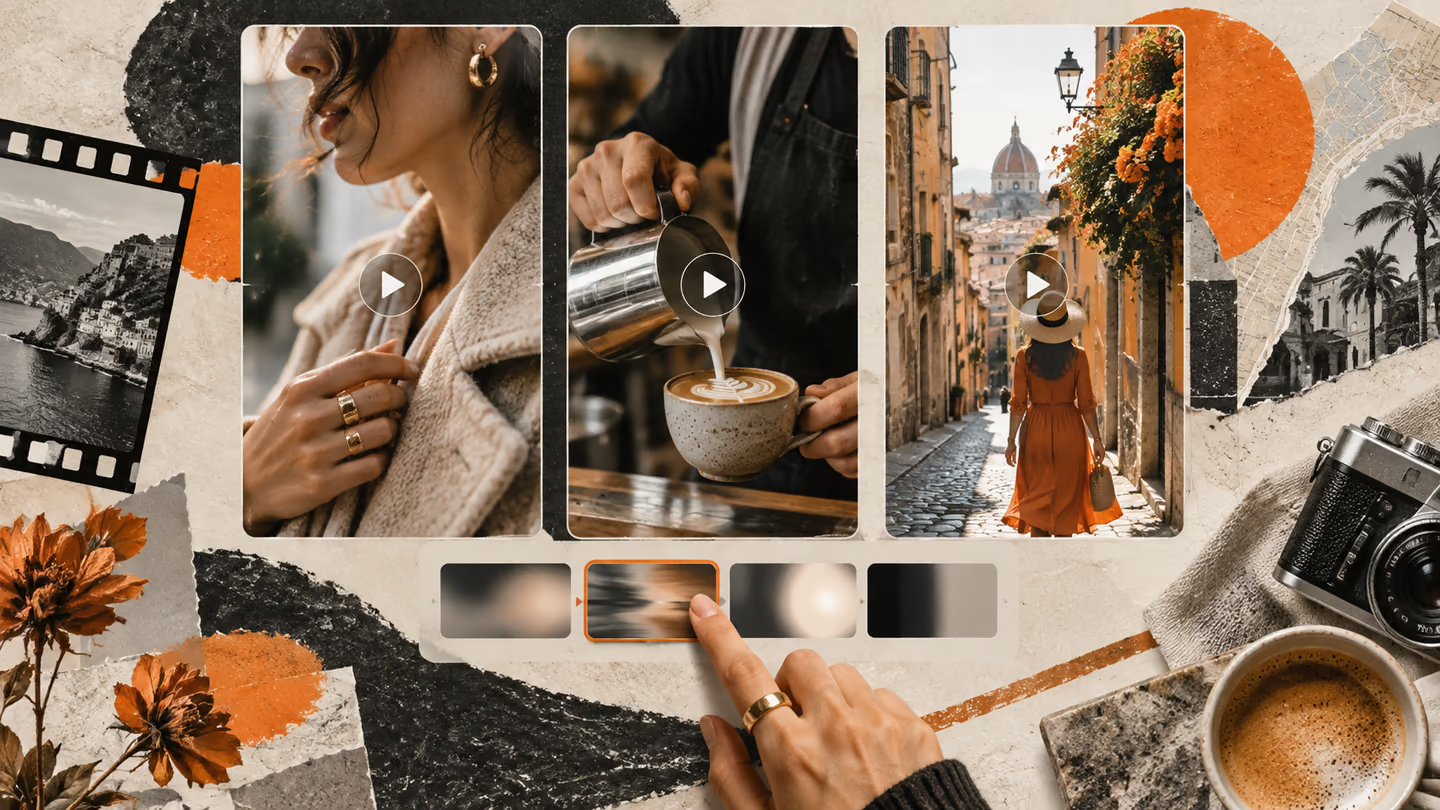
- UGC-style video should feel like a clear, believable product demonstration. These are fictional shot plans; disclose synthetic footage where the publishing context requires it.
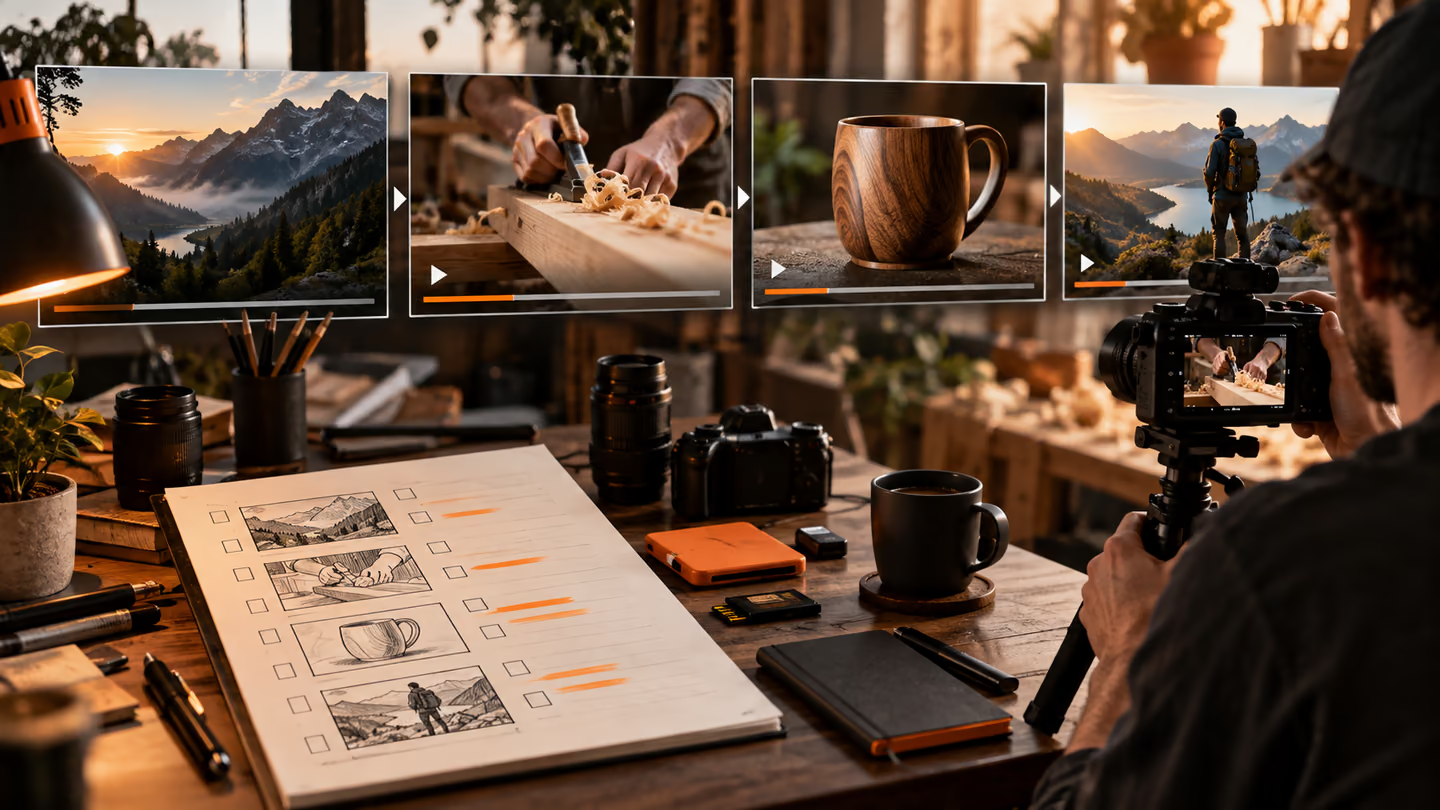
- These are shot directions, not video files. Model support for aspect ratio, duration, reference frames and sound varies, so set those controls in the tool you actually use. A generated still in this guide illustrates a frame; it does not prove that a video model rendered the movement.
UGC-style video should feel like a clear, believable product demonstration. These are fictional shot plans; disclose synthetic footage where the publishing context requires it.
These are shot directions, not video files. Model support for aspect ratio, duration, reference frames and sound varies, so set those controls in the tool you actually use. A generated still in this guide illustrates a frame; it does not prove that a video model rendered the movement.
How to use this collection
Pick the task closest to your work. Copy the prompt, replace the generic scene or code context with your own facts, and keep the constraints that help you judge the result. Change one variable at a time so you can tell what improved.
The approach follows the Google Veo prompt guide: provide concrete context and inspect the output rather than assuming a polished first pass is correct.
Establish the scene prompts
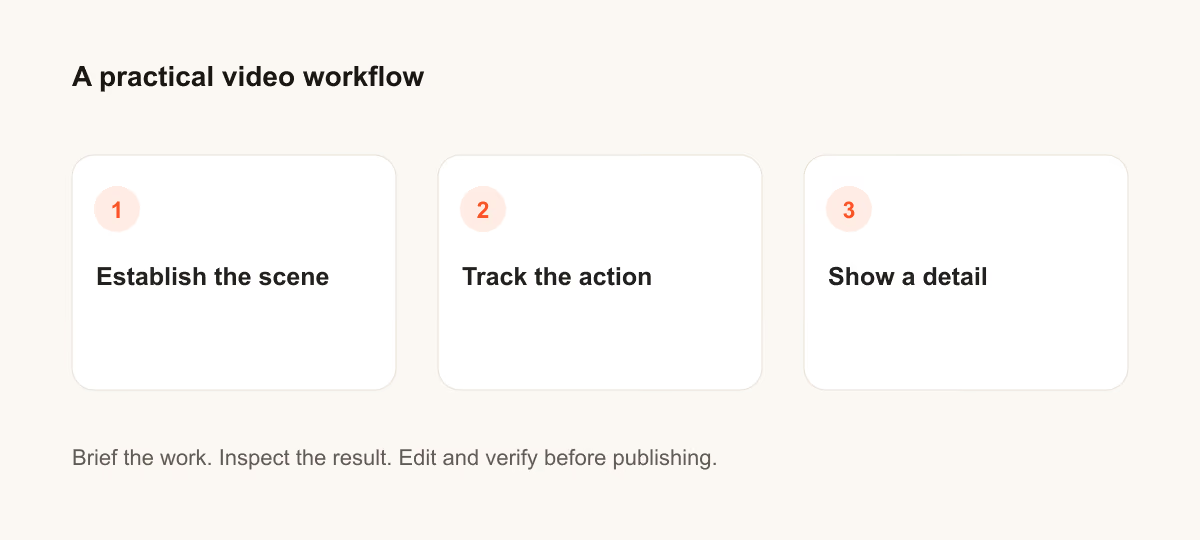
Use establish the scene when the shot needs a clear visual purpose. Keep only one action in each clip.
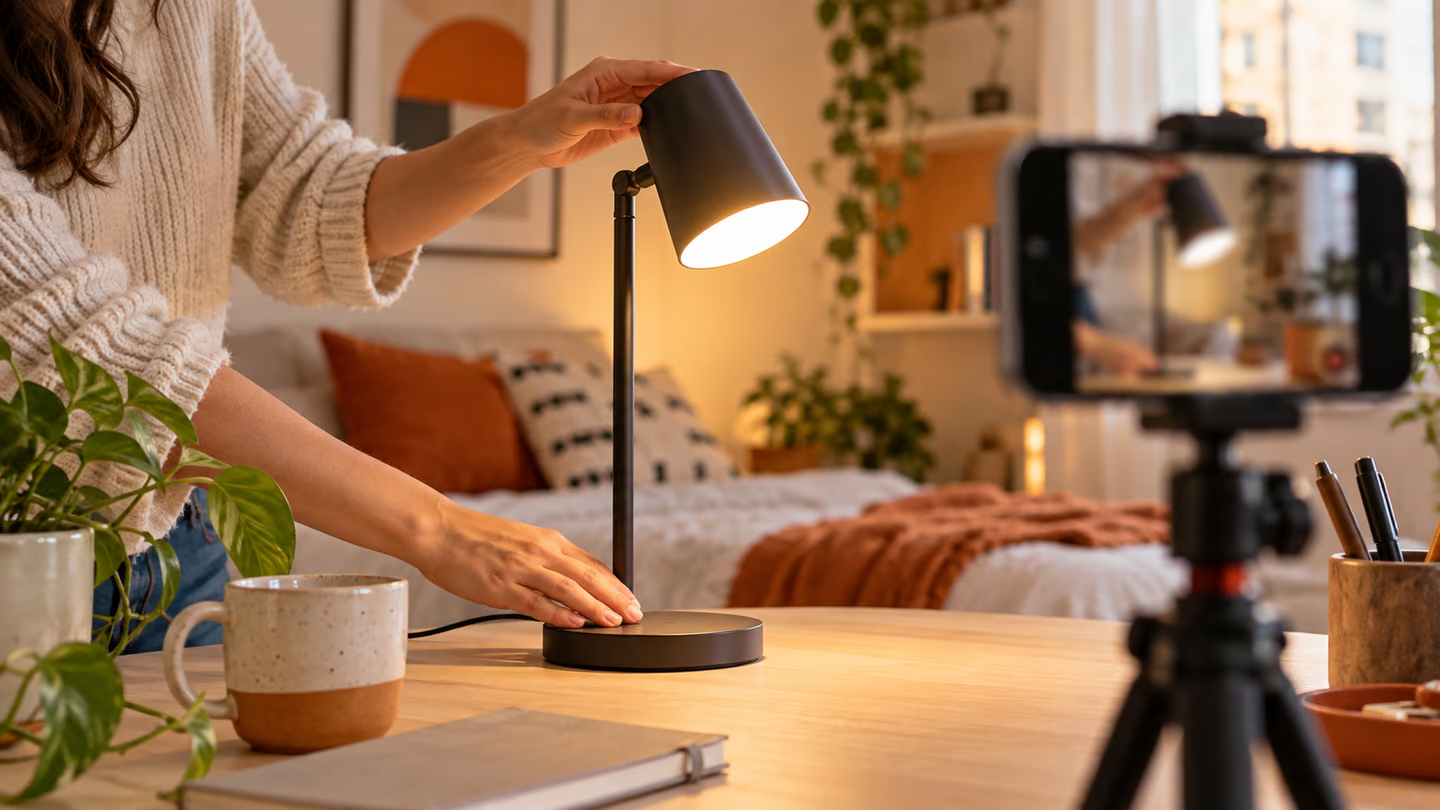
1. A person unpacking a desk lamp
Create a 9:16 vertical shot of a person unpacking a desk lamp. Use a wide opening frame, one clear subject, a visible setting and stable horizon. Show one continuous action, not a montage. Keep the subject, geometry and light consistent. End on a composition an editor can hold or cut from. No added text, logos or abrupt morphs.Review: Check whether the first second makes the location and subject legible.
2. A first use of a travel mug
Create a 9:16 vertical shot of a first use of a travel mug. Use a wide opening frame, one clear subject, a visible setting and stable horizon. Show one continuous action, not a montage. Keep the subject, geometry and light consistent. End on a composition an editor can hold or cut from. No added text, logos or abrupt morphs.Review: Check whether the first second makes the location and subject legible.
3. A hands-on notebook review
Create a 9:16 vertical shot of a hands-on notebook review. Use a wide opening frame, one clear subject, a visible setting and stable horizon. Show one continuous action, not a montage. Keep the subject, geometry and light consistent. End on a composition an editor can hold or cut from. No added text, logos or abrupt morphs.Review: Check whether the first second makes the location and subject legible.
4. A kitchen tool demonstration
Create a 9:16 vertical shot of a kitchen tool demonstration. Use a wide opening frame, one clear subject, a visible setting and stable horizon. Show one continuous action, not a montage. Keep the subject, geometry and light consistent. End on a composition an editor can hold or cut from. No added text, logos or abrupt morphs.Review: Check whether the first second makes the location and subject legible.
5. A skincare texture close-up
Create a 9:16 vertical shot of a skincare texture close-up. Use a wide opening frame, one clear subject, a visible setting and stable horizon. Show one continuous action, not a montage. Keep the subject, geometry and light consistent. End on a composition an editor can hold or cut from. No added text, logos or abrupt morphs.Review: Check whether the first second makes the location and subject legible.
6. A backpack packing scene
Create a 9:16 vertical shot of a backpack packing scene. Use a wide opening frame, one clear subject, a visible setting and stable horizon. Show one continuous action, not a montage. Keep the subject, geometry and light consistent. End on a composition an editor can hold or cut from. No added text, logos or abrupt morphs.Review: Check whether the first second makes the location and subject legible.
7. A home workout accessory
Create a 9:16 vertical shot of a home workout accessory. Use a wide opening frame, one clear subject, a visible setting and stable horizon. Show one continuous action, not a montage. Keep the subject, geometry and light consistent. End on a composition an editor can hold or cut from. No added text, logos or abrupt morphs.Review: Check whether the first second makes the location and subject legible.
8. A plant-care tool
Create a 9:16 vertical shot of a plant-care tool. Use a wide opening frame, one clear subject, a visible setting and stable horizon. Show one continuous action, not a montage. Keep the subject, geometry and light consistent. End on a composition an editor can hold or cut from. No added text, logos or abrupt morphs.Review: Check whether the first second makes the location and subject legible.
9. A reusable bottle refill
Create a 9:16 vertical shot of a reusable bottle refill. Use a wide opening frame, one clear subject, a visible setting and stable horizon. Show one continuous action, not a montage. Keep the subject, geometry and light consistent. End on a composition an editor can hold or cut from. No added text, logos or abrupt morphs.Review: Check whether the first second makes the location and subject legible.

10. A reading light at night
Create a 9:16 vertical shot of a reading light at night. Use a wide opening frame, one clear subject, a visible setting and stable horizon. Show one continuous action, not a montage. Keep the subject, geometry and light consistent. End on a composition an editor can hold or cut from. No added text, logos or abrupt morphs.Review: Check whether the first second makes the location and subject legible.
Track the action prompts
Use track the action when the shot needs a clear visual purpose. Keep only one action in each clip.
11. A person unpacking a desk lamp
Create a 9:16 vertical shot of a person unpacking a desk lamp. Use a single motivated camera move that follows the subject without sudden direction changes. Show one continuous action, not a montage. Keep the subject, geometry and light consistent. End on a composition an editor can hold or cut from. No added text, logos or abrupt morphs.Review: Check continuity of the subject and direction of travel.
12. A first use of a travel mug
Create a 9:16 vertical shot of a first use of a travel mug. Use a single motivated camera move that follows the subject without sudden direction changes. Show one continuous action, not a montage. Keep the subject, geometry and light consistent. End on a composition an editor can hold or cut from. No added text, logos or abrupt morphs.Review: Check continuity of the subject and direction of travel.
13. A hands-on notebook review
Create a 9:16 vertical shot of a hands-on notebook review. Use a single motivated camera move that follows the subject without sudden direction changes. Show one continuous action, not a montage. Keep the subject, geometry and light consistent. End on a composition an editor can hold or cut from. No added text, logos or abrupt morphs.Review: Check continuity of the subject and direction of travel.
14. A kitchen tool demonstration
Create a 9:16 vertical shot of a kitchen tool demonstration. Use a single motivated camera move that follows the subject without sudden direction changes. Show one continuous action, not a montage. Keep the subject, geometry and light consistent. End on a composition an editor can hold or cut from. No added text, logos or abrupt morphs.Review: Check continuity of the subject and direction of travel.
15. A skincare texture close-up
Create a 9:16 vertical shot of a skincare texture close-up. Use a single motivated camera move that follows the subject without sudden direction changes. Show one continuous action, not a montage. Keep the subject, geometry and light consistent. End on a composition an editor can hold or cut from. No added text, logos or abrupt morphs.Review: Check continuity of the subject and direction of travel.
16. A backpack packing scene
Create a 9:16 vertical shot of a backpack packing scene. Use a single motivated camera move that follows the subject without sudden direction changes. Show one continuous action, not a montage. Keep the subject, geometry and light consistent. End on a composition an editor can hold or cut from. No added text, logos or abrupt morphs.Review: Check continuity of the subject and direction of travel.
17. A home workout accessory
Create a 9:16 vertical shot of a home workout accessory. Use a single motivated camera move that follows the subject without sudden direction changes. Show one continuous action, not a montage. Keep the subject, geometry and light consistent. End on a composition an editor can hold or cut from. No added text, logos or abrupt morphs.Review: Check continuity of the subject and direction of travel.
18. A plant-care tool
Create a 9:16 vertical shot of a plant-care tool. Use a single motivated camera move that follows the subject without sudden direction changes. Show one continuous action, not a montage. Keep the subject, geometry and light consistent. End on a composition an editor can hold or cut from. No added text, logos or abrupt morphs.Review: Check continuity of the subject and direction of travel.
19. A reusable bottle refill
Create a 9:16 vertical shot of a reusable bottle refill. Use a single motivated camera move that follows the subject without sudden direction changes. Show one continuous action, not a montage. Keep the subject, geometry and light consistent. End on a composition an editor can hold or cut from. No added text, logos or abrupt morphs.Review: Check continuity of the subject and direction of travel.
20. A reading light at night
Create a 9:16 vertical shot of a reading light at night. Use a single motivated camera move that follows the subject without sudden direction changes. Show one continuous action, not a montage. Keep the subject, geometry and light consistent. End on a composition an editor can hold or cut from. No added text, logos or abrupt morphs.Review: Check continuity of the subject and direction of travel.
Show a detail prompts
Use show a detail when the shot needs a clear visual purpose. Keep only one action in each clip.
21. A person unpacking a desk lamp
Create a 9:16 vertical shot of a person unpacking a desk lamp. Use a close view of a meaningful action, tactile material and plausible hand or object movement. Show one continuous action, not a montage. Keep the subject, geometry and light consistent. End on a composition an editor can hold or cut from. No added text, logos or abrupt morphs.Review: Check hands, contact points and the beginning and end of the action.
22. A first use of a travel mug
Create a 9:16 vertical shot of a first use of a travel mug. Use a close view of a meaningful action, tactile material and plausible hand or object movement. Show one continuous action, not a montage. Keep the subject, geometry and light consistent. End on a composition an editor can hold or cut from. No added text, logos or abrupt morphs.Review: Check hands, contact points and the beginning and end of the action.
23. A hands-on notebook review
Create a 9:16 vertical shot of a hands-on notebook review. Use a close view of a meaningful action, tactile material and plausible hand or object movement. Show one continuous action, not a montage. Keep the subject, geometry and light consistent. End on a composition an editor can hold or cut from. No added text, logos or abrupt morphs.Review: Check hands, contact points and the beginning and end of the action.
24. A kitchen tool demonstration
Create a 9:16 vertical shot of a kitchen tool demonstration. Use a close view of a meaningful action, tactile material and plausible hand or object movement. Show one continuous action, not a montage. Keep the subject, geometry and light consistent. End on a composition an editor can hold or cut from. No added text, logos or abrupt morphs.Review: Check hands, contact points and the beginning and end of the action.
25. A skincare texture close-up
Create a 9:16 vertical shot of a skincare texture close-up. Use a close view of a meaningful action, tactile material and plausible hand or object movement. Show one continuous action, not a montage. Keep the subject, geometry and light consistent. End on a composition an editor can hold or cut from. No added text, logos or abrupt morphs.Review: Check hands, contact points and the beginning and end of the action.
What to check before you use the result
These are shot directions, not video files. Model support for aspect ratio, duration, reference frames and sound varies, so set those controls in the tool you actually use. A generated still in this guide illustrates a frame; it does not prove that a video model rendered the movement.
If the output misses the task, shorten the prompt and specify the missing fact or constraint. Keep a record of the version you used so the final asset or code change can be reproduced.
Further reading
Continue with a related guide
Put it into practice
Your next step
Have a question or a correction?
Contact Thrive